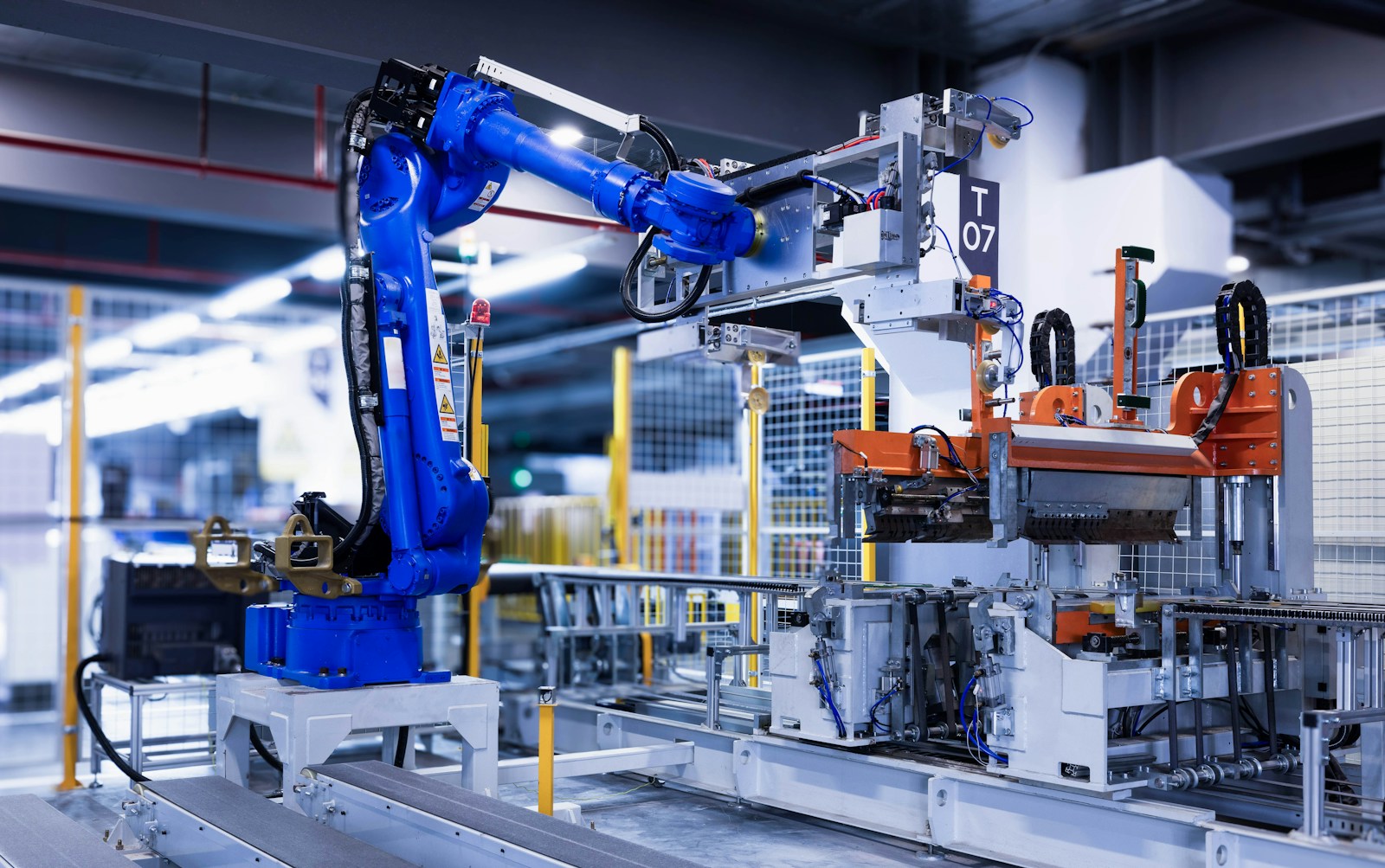
I’m rebuilding the operations of a company from scratch. Not the product. The machine behind it: how work comes in, how it moves, how it gets done.
I’ve learned a few rules the hard way. I’ll write them down one at a time. This is the first.
Do not lose information.
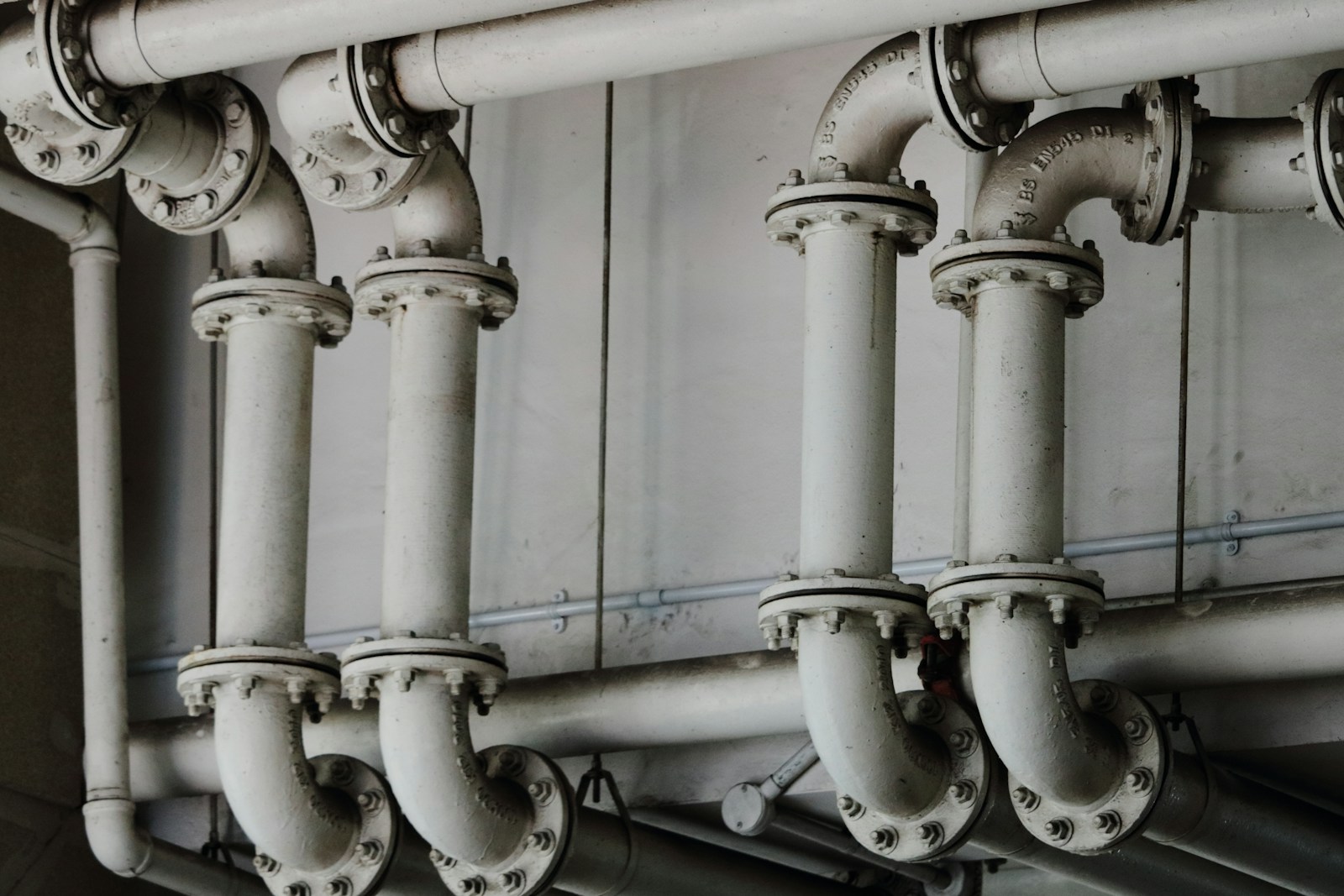
Most operational chaos is not a people problem. It’s a plumbing problem. Information leaks. A request comes in by phone and lives in someone’s memory. A change is agreed in a chat and never reaches the system. A document is sent by email and dies in an inbox.
Every one of those leaks becomes a mistake three weeks later. Nobody can trace it, so everyone blames everyone.
Think of a hospital. If a patient’s allergy is written on a sticky note at reception, the surgeon doesn’t have it. Nobody was careless. The system simply allowed information to exist where it couldn’t be used.
So the rule is strict. Information enters through specific doors, and only those doors. Anything that didn’t come through a door doesn’t count. It’s not information. It’s rumour.
That sounds harsh, and it is. The first weeks are painful. People will say “but I told you”. And the answer has to be: not through the door, not in the system.
It’s also the single most powerful thing you can do. When you have all the information in one place, half of the problems you thought were process problems simply disappear. They were never process problems. They were missing facts.
Close the leaks first. Everything else is built on top.